When I wrote Cape Robin Chat, I wanted to have Shona and isiNdebele versions of the story available. This is because I think preserving African languages is important as part of owning one’s identity. This being so, I decided to do the Shona and Ndebele versions of the book in audio form. While I am a Ndebele and Shona speaker, I wanted to have these versions “just so” and got renowned language experts Nelson Mapako and Ignatius Mabasa to work on the translations.
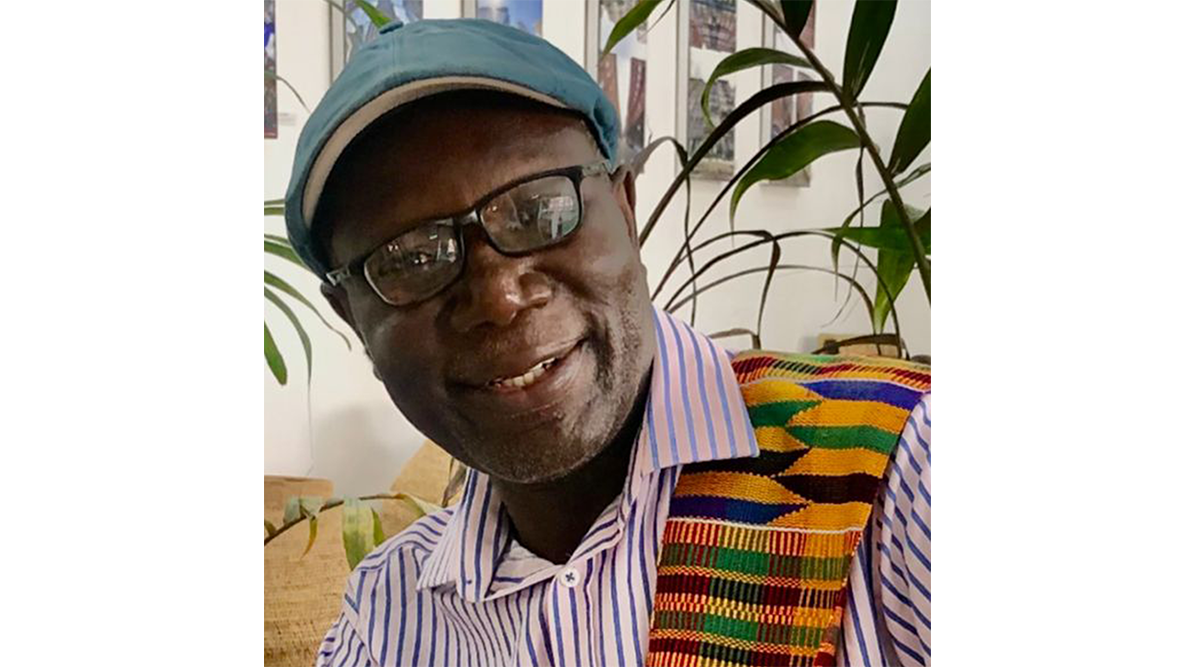
I had the chance a while back to talk to Ignatius, who did the Shona translation, about his work. Besides translating, he writes -primarily for children and young adults. He also creates and tells folktales. One of his personal favourites is Vana Vehuku Vanofarisa. He considers it “a successful experiment in trying to move folktales from being fixed in the past to making the genre respond to social change.”
Ignatius is also the first (and only) person to complete a PHD completely written in Shona which he obtained through Rhodes University.
“My PhD thesis is an autoethnography about Shona storytelling. It draws on my experiences as a Shona storyteller – tracing the journey from my childhood to now. I reflect on how being a storyteller and how the folktale have influenced my thinking, my writing and love for the Shona language,” he says.
While I consider having African stories available in local languages important, I write primarily in English. Not so for Ignatius.
“I write in Shona and English, but Shona is my favourite language. Shona is my favourite because I feel that there is depth, beauty, wisdom and music in the language,” he says.
“Also, it is folly for me to abandon a language that introduced me to the world, that is my identity. I can never beat the English at being English, but I can beat them hands down at being Shona,” adds Ignatius.
In his opinion we, as Africans, have a very rich cultural heritage which we need to exploit before it is too late.
I totally agree